AoE: Intertexuality | Making Connections
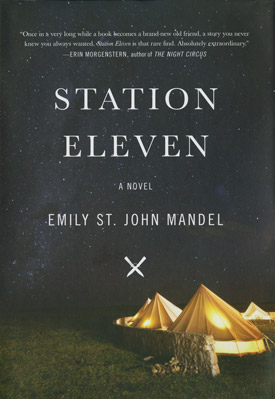
Station Eleven
By Emily St. John Mandel
Station Eleven is a post-apocalyptic novel set in a world devastated by a flu pandemic. The story follows several interconnected characters as they navigate life before and after the collapse of civilization, focusing on themes of survival, art, and human connection. A key element of the novel is the Traveling Symphony, a troupe of actors and musicians who travel the altered world performing Shakespeare and keeping the remnants of art and humanity alive.
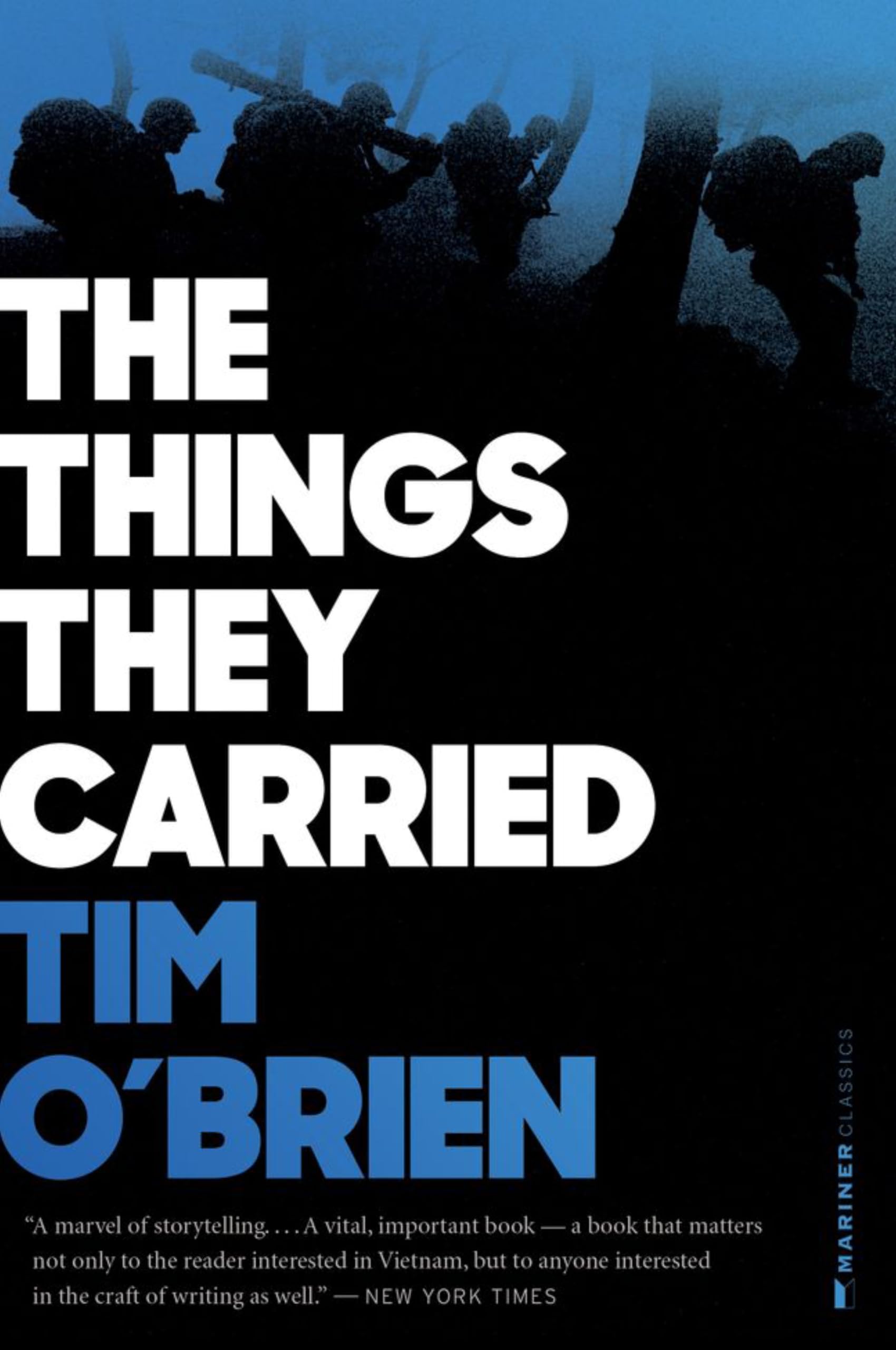
The Things They Carried
by Tim O’Brien
The Things They Carried is a collection of twenty-two stories chronicling the author, Tim O’Brien’s, recollections of his time as a soldier in the Vietnam War. While O’Brien admits in the book to often blurring the line between fact and fiction, the names of the characters in the book are those of real people. Since it is a collection of stories rather than a novel, there is not a traditional narrative arc. Yet, the collection functions as a self-contained work.

Perfume: The Story of a Murderer
by Patrick Süskind
Jean-Baptiste Grenouille is born with one sublime gift—an absolute sense of smell. As a boy, he lives to decipher the odors of Paris, and apprentices himself to a prominent perfumer who teaches him the ancient art of mixing precious oils and herbs. But Grenouille’s genius is such that he is not satisfied to stop there, and he becomes obsessed with a terrifying quest to create the “ultimate perfume.”
AoE: Time & Space
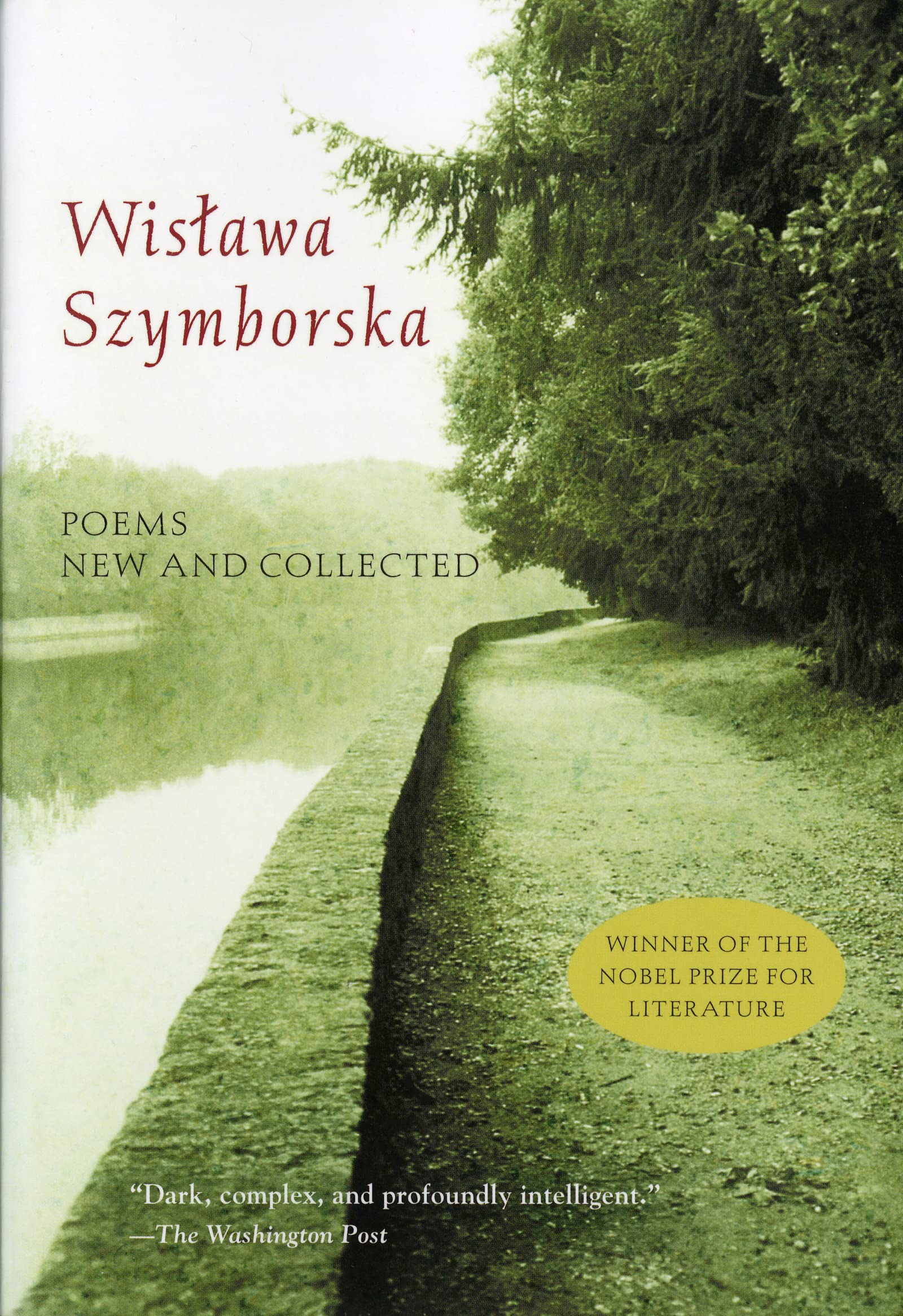
Poems: New and Collected
by Wislawa Szymborska
Poems New and Collected: 1957-1997 is the definitive, complete collection of poetry by Nobel Prize-winning poet Wislawa Szymborska. Described by Robert Hass as “unquestionably one of the great living European poets” and by Charles Simic as “one of the finest poets living today,” Szymborska mesmerizes her readers with poetry that captivates their minds and captures their hearts.
AoE: Readers, Writer, & Texts
Equus
by Peter Shaffer
Alan Strang is a disturbed youth whose dangerous obsession with horses leads him to commit an unspeakable act of violence. As psychiatrist Martin Dysart struggles to understand the motivation for Alan’s brutality, he is increasingly drawn into Alan’s web and eventually forced to question his own sanity. Equus is a timeless classic and a cornerstone of contemporary drama that delves into the darkest recesses of human existence.

The Alchemist
by Paulo Coelho
Combining magic, mysticism, wisdom, and wonder into an inspiring tale of self-discovery and spiritual healing, The Alchemist has become a modern classic, moving millions across the globe and transforming the lives of countless readers across generations. Helping them find inner peace, strength, gratitude, and a deeper, divine connection with themselves and the world around them.

Kiss of the Spider Woman
by Manuel Puig
In an Argentine prison, two men share a cell: Molina, a gay window dresser who is self-centered, self-denigrating, yet charming as well; and Valentin, an articulate, fiercely dogmatic revolutionary haunted by memories of a woman he left for the cause. Valentin believes in the just cause that makes all suffering bearable; Molina believes in the magic of love that makes all else endurable.
#concepts are vital in studies in language and literature courses since they help to guide the study of texts across the three areas of exploration. The concepts create a sense of continuity in the transition from one area to the next and also facilitate the process of establishing connections between texts. There are seven concepts which structure the teaching and learning of Language A courses, which have been selected because of the central position they occupy in the study of both language and literature. They foreground aspects of linguistic and literary study that have been the focus of attention and inquiry. You may recognize some of them from your time in the MYP.
The concepts are: Identity, Culture, Creativity, Communication, Perspective, Transformation, Representation.
 Neil de la Flor